
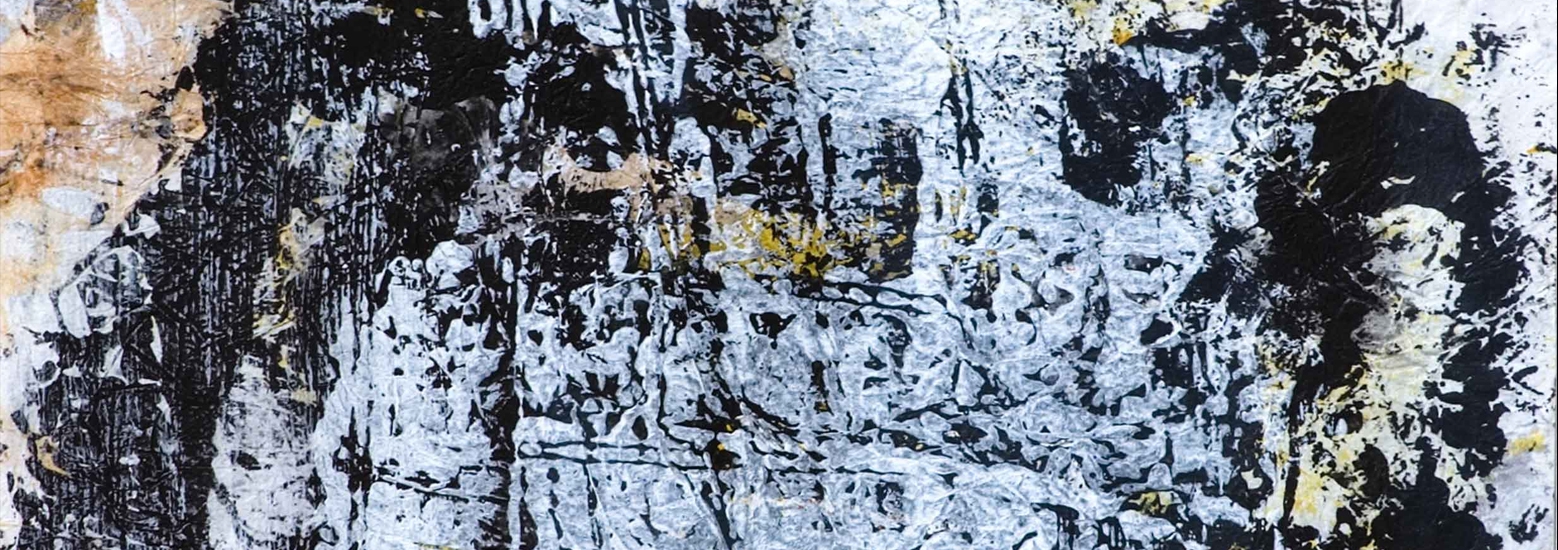
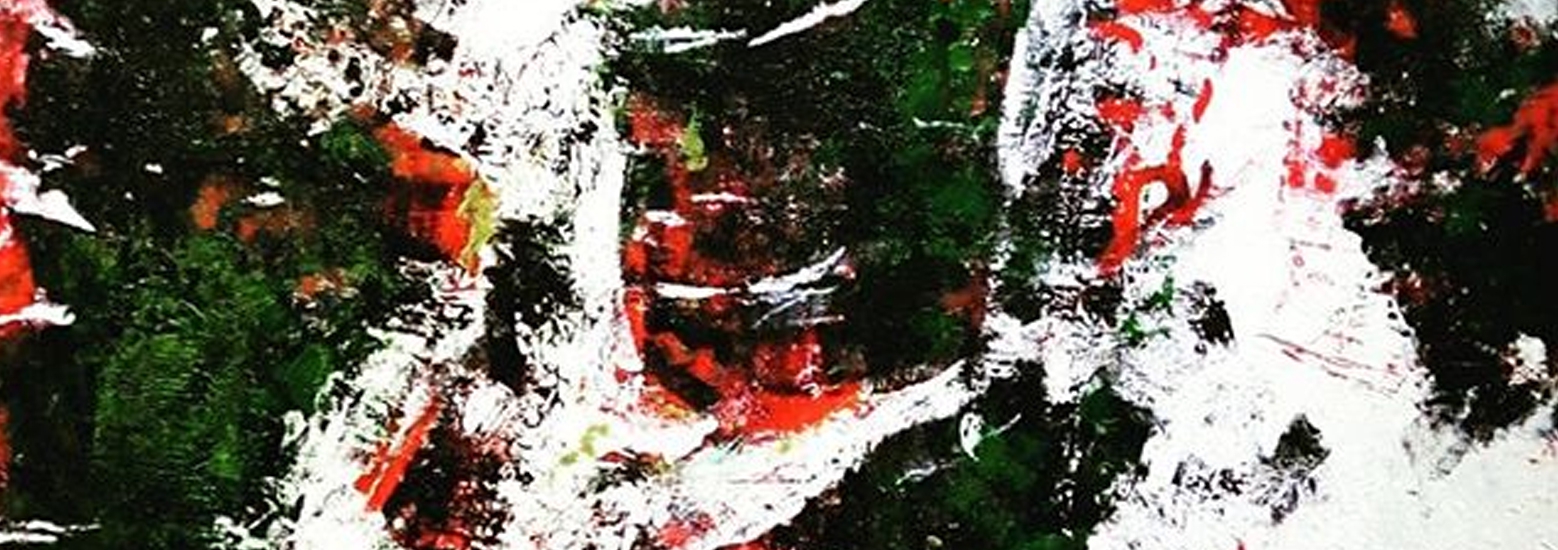
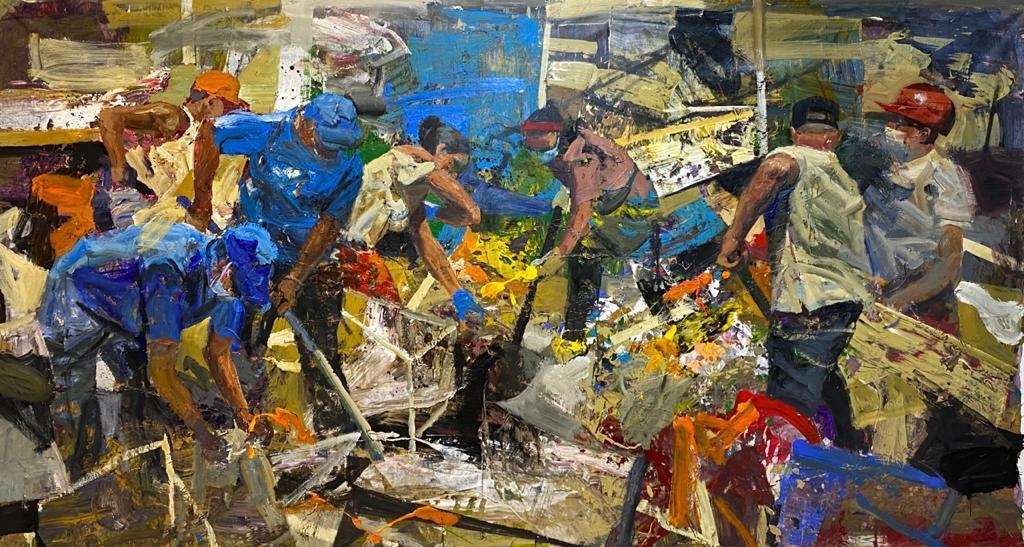
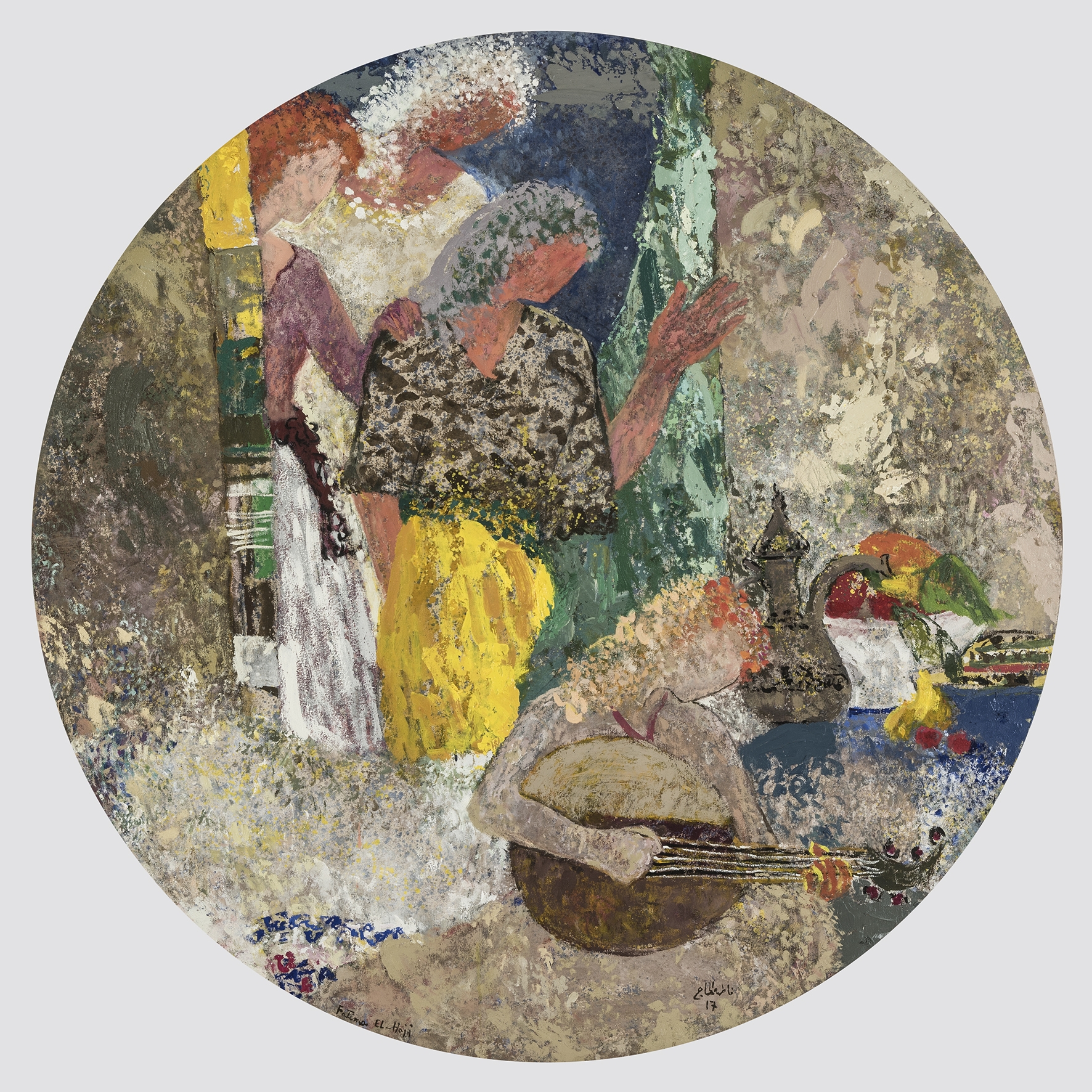

Featured Artists
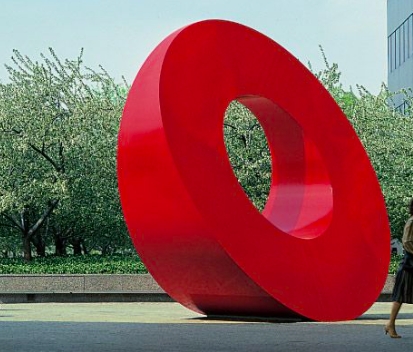
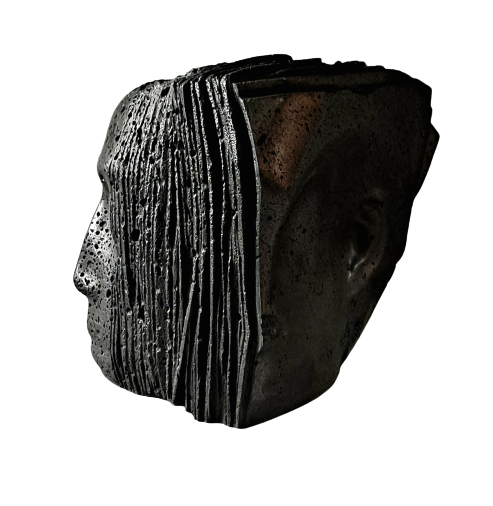
_|_1983,_|_Lebanese_marble_|_34_x_36_x_34_cm_.png)
Featured Arts
About us
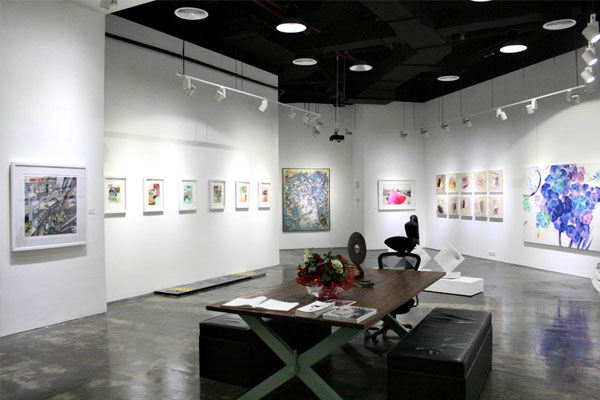
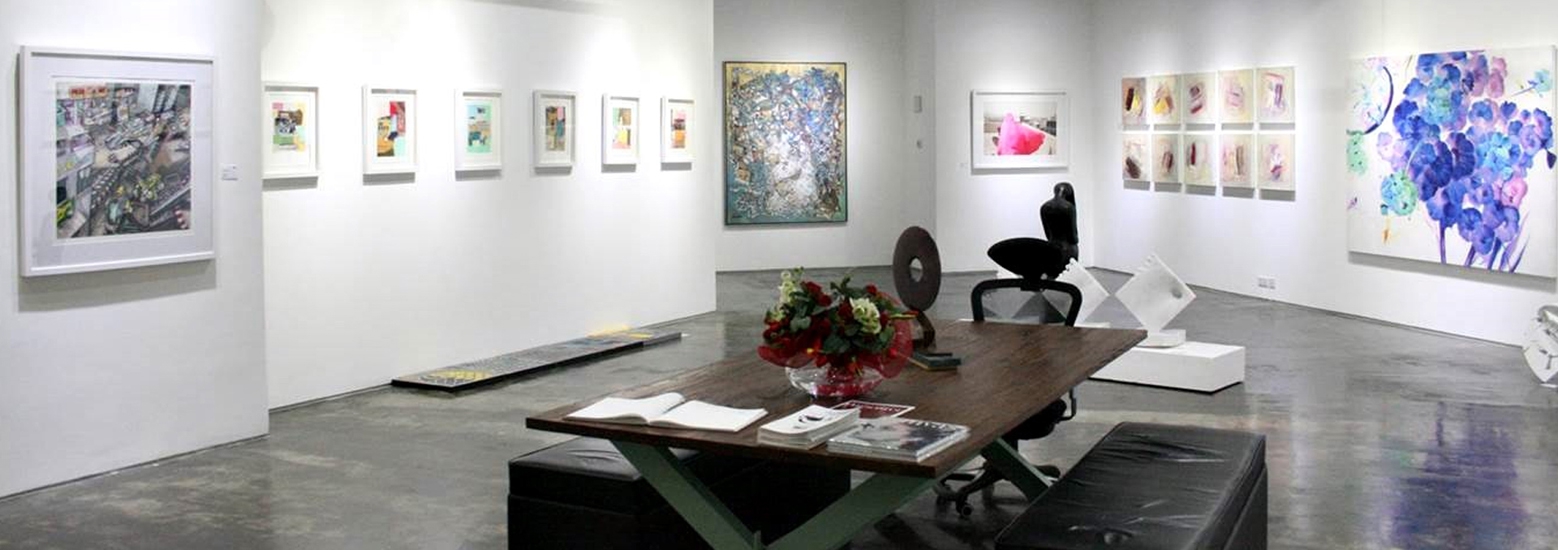
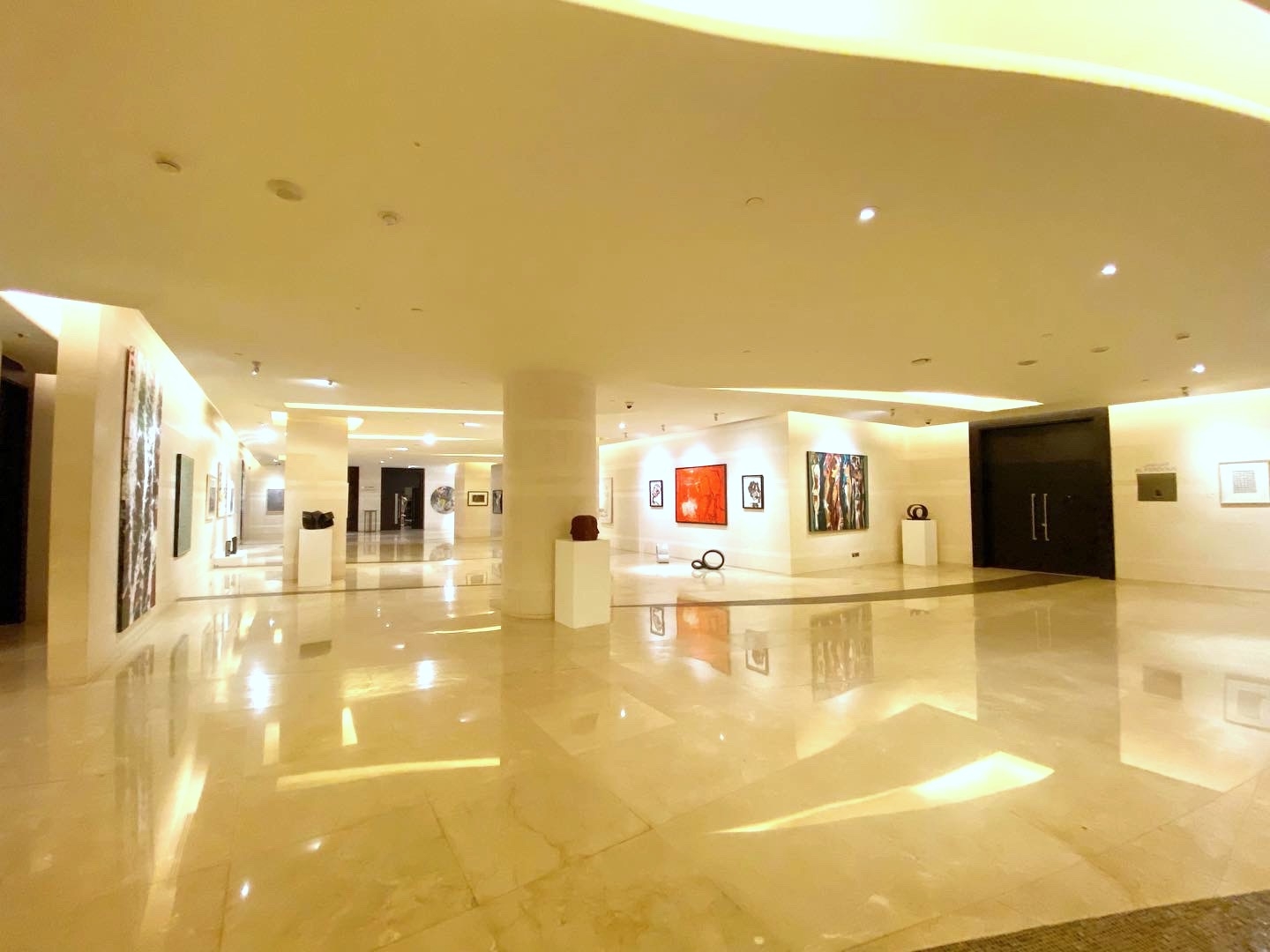
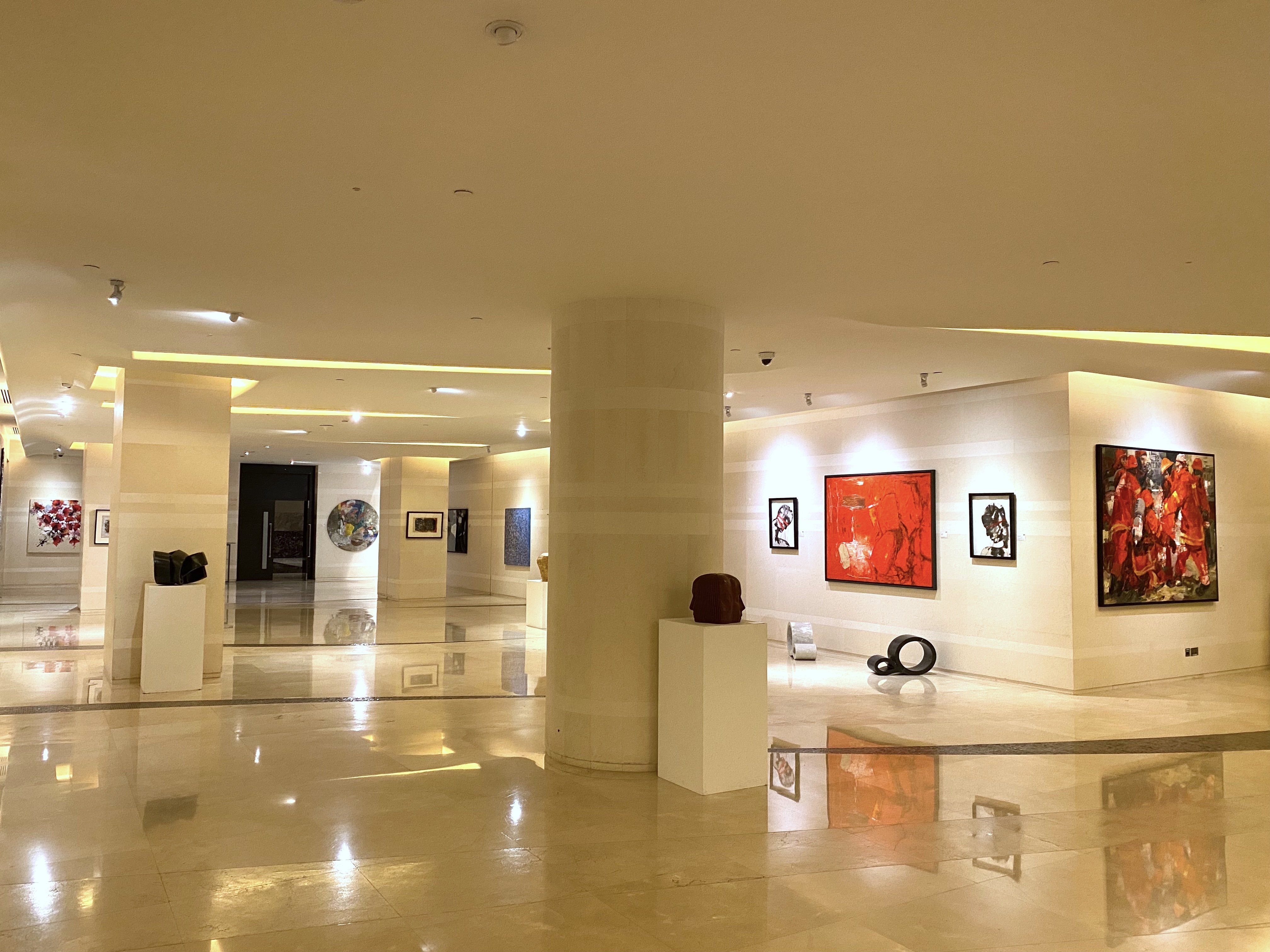
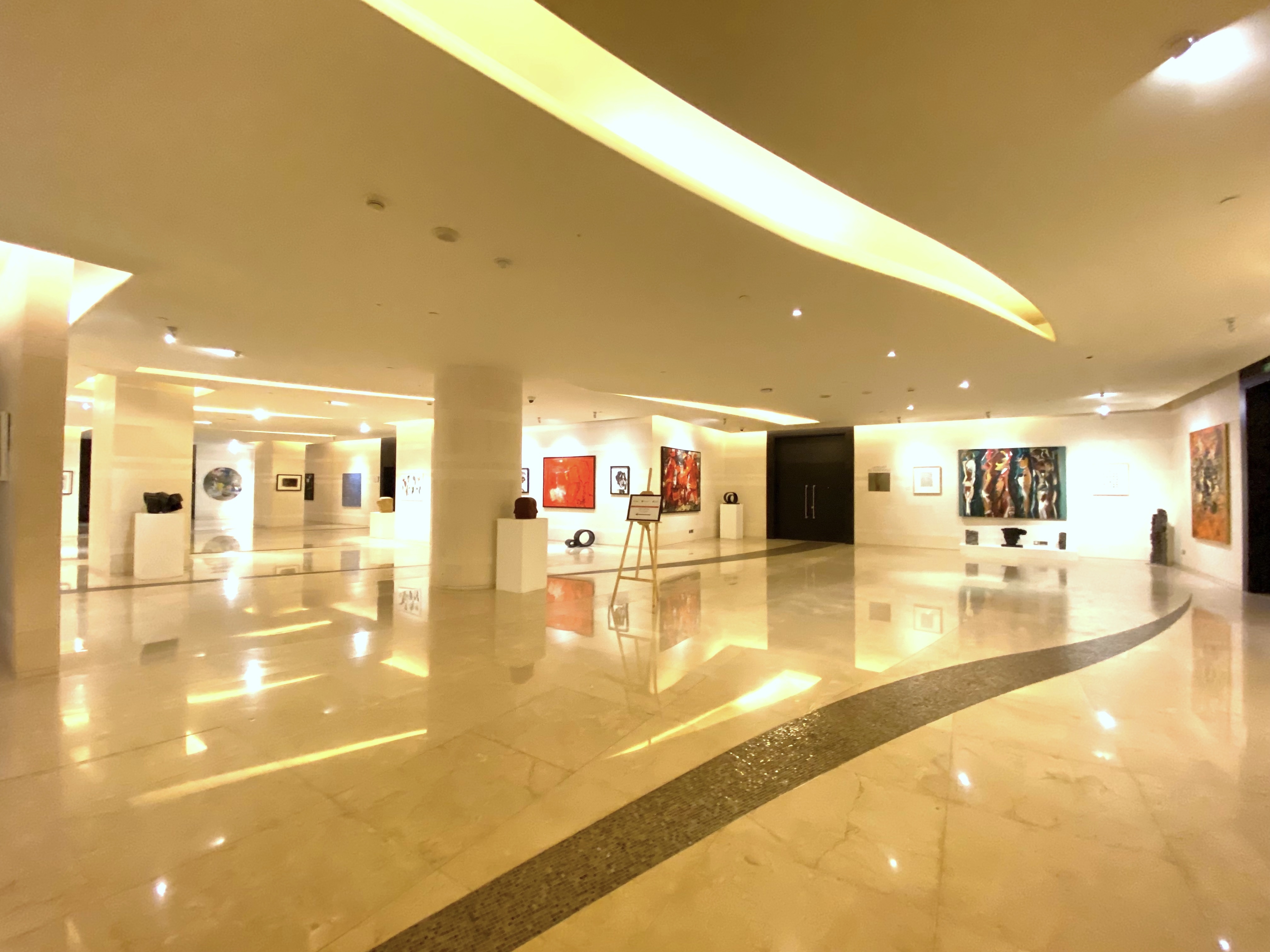
Salwa Zeidan Gallery has been established in 1994 in Abu Dhabi. Reopened in 2009, it specializes in contemporary art. The gallery represents both well-established and emerging artists from all around the globe. It provides artists with space to showcase their work in the Middle East's capital of art and culture: Abu Dhabi.
It promotes mediums that vary from paintings, photography and sculptures to installation and performance art. All the artworks selected by the gallery bare two common traits: minimalist vision and sensibility. Every artist and artwork is personally reviewed and selected by Salwa Zeidan herself – a painter, sculptor and curator with more than 25 years of experience- in order to ensure that every piece carries an emotional artistic touch rather than commercial and mechanical traits.
In addition to nurturing local talent through supporting emerging artists, the gallery has become renowned for its selective representation of many of the region's most prominent artists in a variety of mediums and styles, many of which have been successfully auctioned and sold at auction houses such as Christie's and Sotheby's.
Furthermore, the gallery places much attention in its art fair strategy, ensuring that all the art fairs in which it participates are of high reputation, rank and overall artistic and organizational quality. Finally, the gallery has launched the Middle East's first online gallery in June 2013, thus enabling the artists and artworks represented to receive even more attention and international appeal.
Our Services
Artwork Collection
• We source artworks by some of the favorite masters to add to existing public and private collections
Corporate Art Consultancy and Architecture
• We support art consultants, architects and designers in securing and sometimes customizing artworks of all sizes and styles for their clients and respective projects.
Artist Sourcing for Organizations and Institutions
•. We help client source and locate appropriate artists for all types of art projects.
Artist Related Services
• We design and produce artist books and catalogues as well as produce high quality prints of their artworks.
• We can source renowned artists globally through our wide network of galleries and curators.
Gallery Space Rental
• The gallery space is available for rental to select artists and organization – subject to prior
booking and screening.
Additional Services
• Customized museum standard framing
• Corporate art consulting
• Art procurement for hospitality and high-end hotel projects
• Delivery and installation artworks for offices and private homes
• Artwork certification and appraisals
• Great quality printing from original paintings and photographs
• Photographing artworks and organizing tags for a private collections
Events
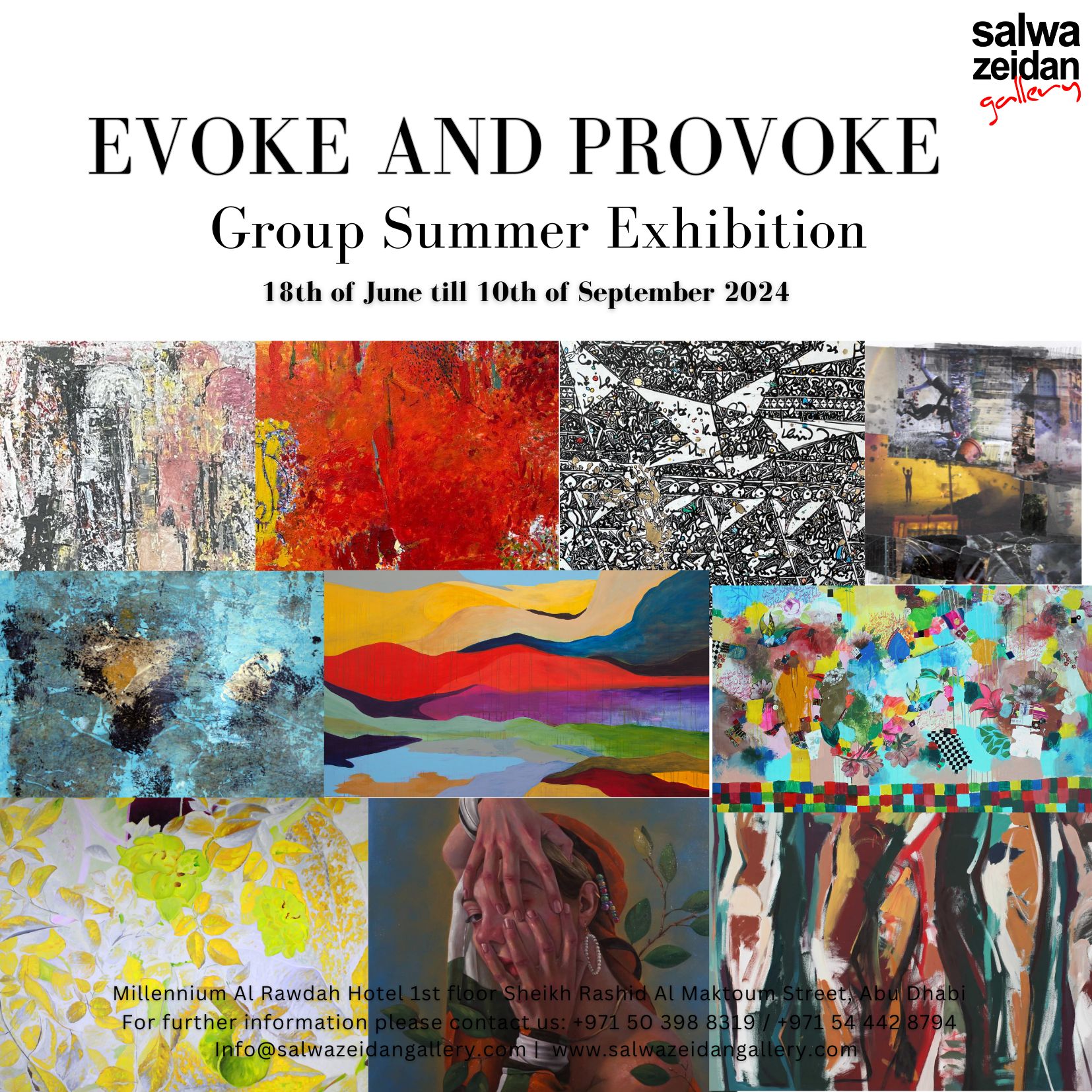
Evoke and Provoke Artistic Dialogues
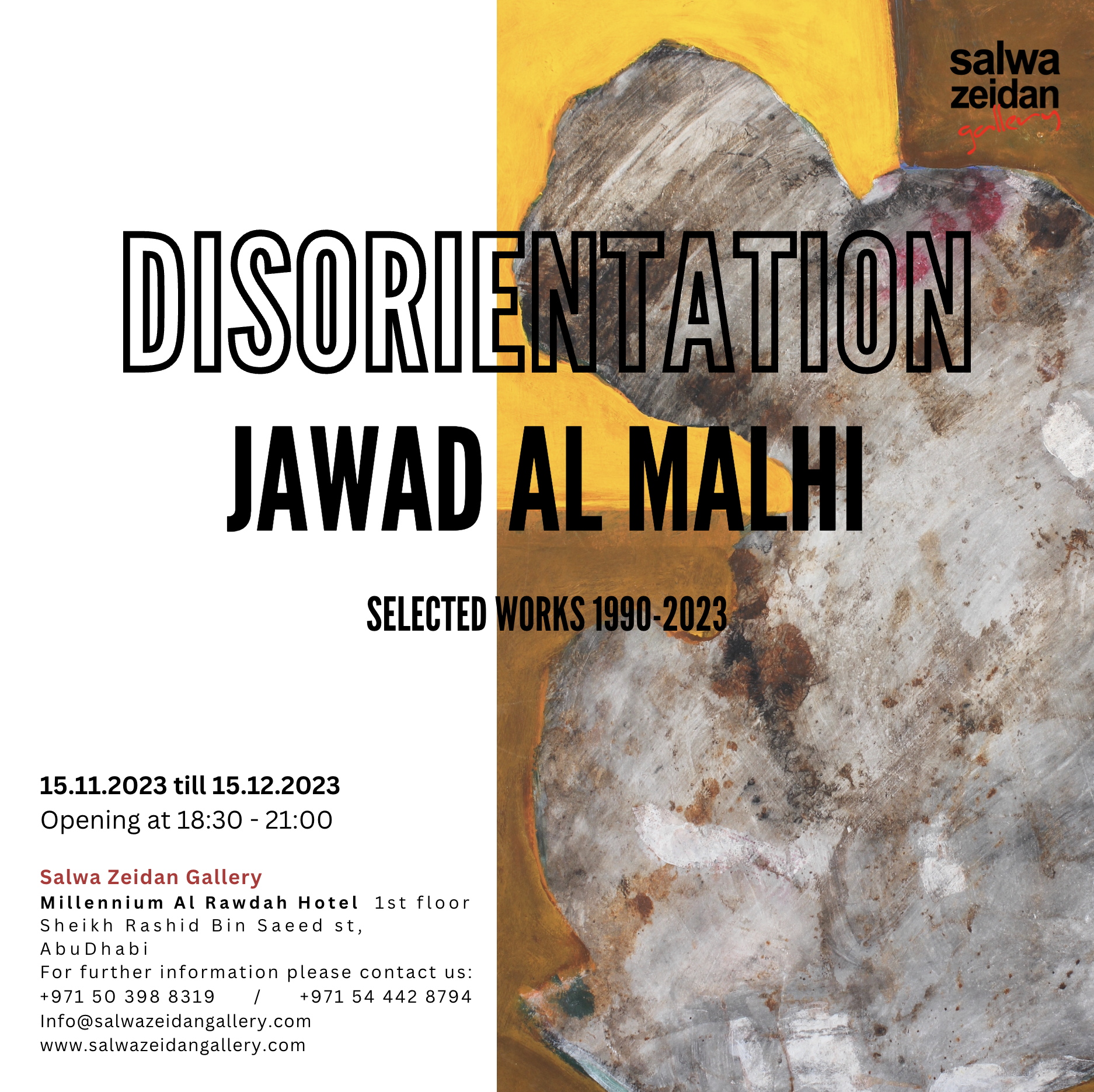
Disorientation
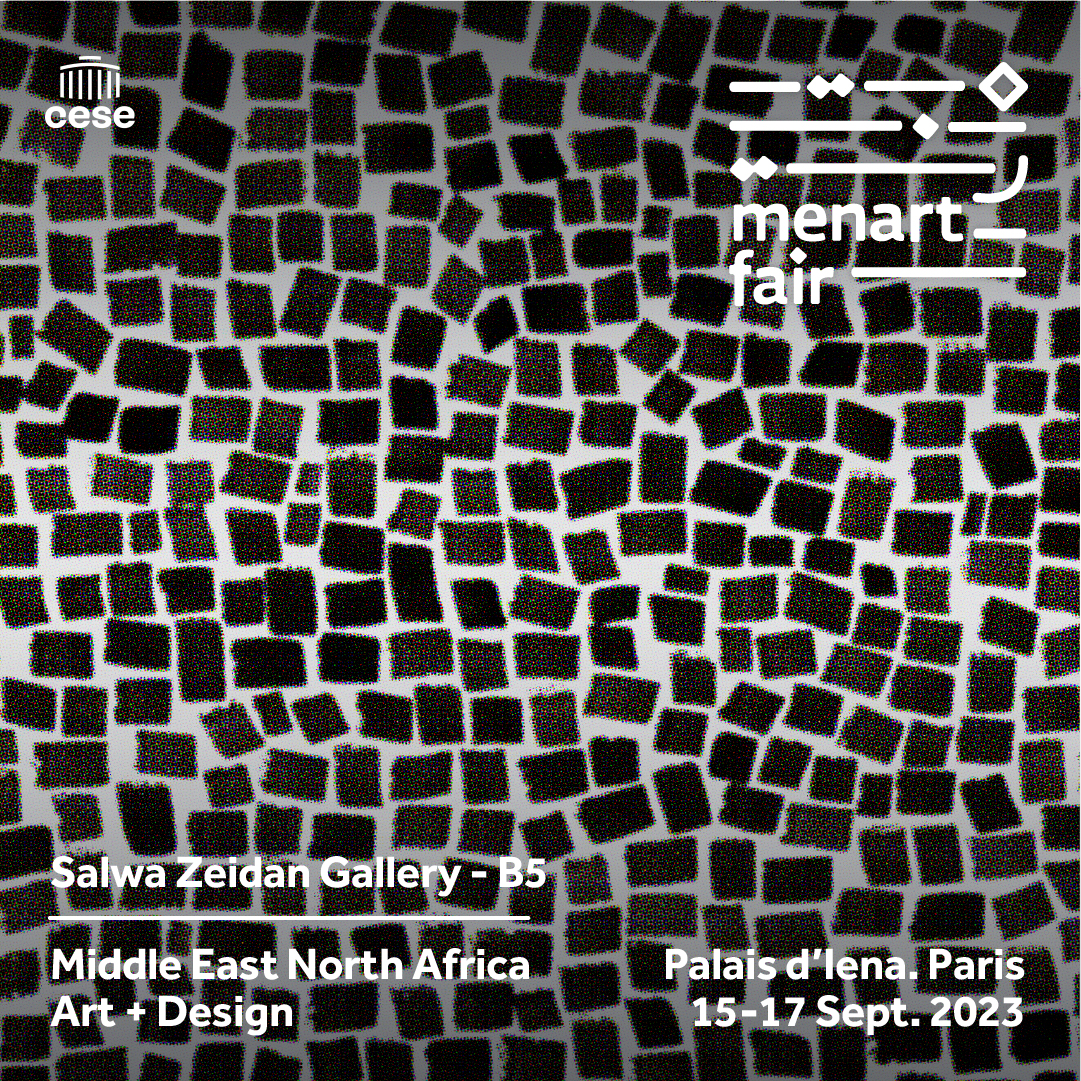
MENART Fair Paris
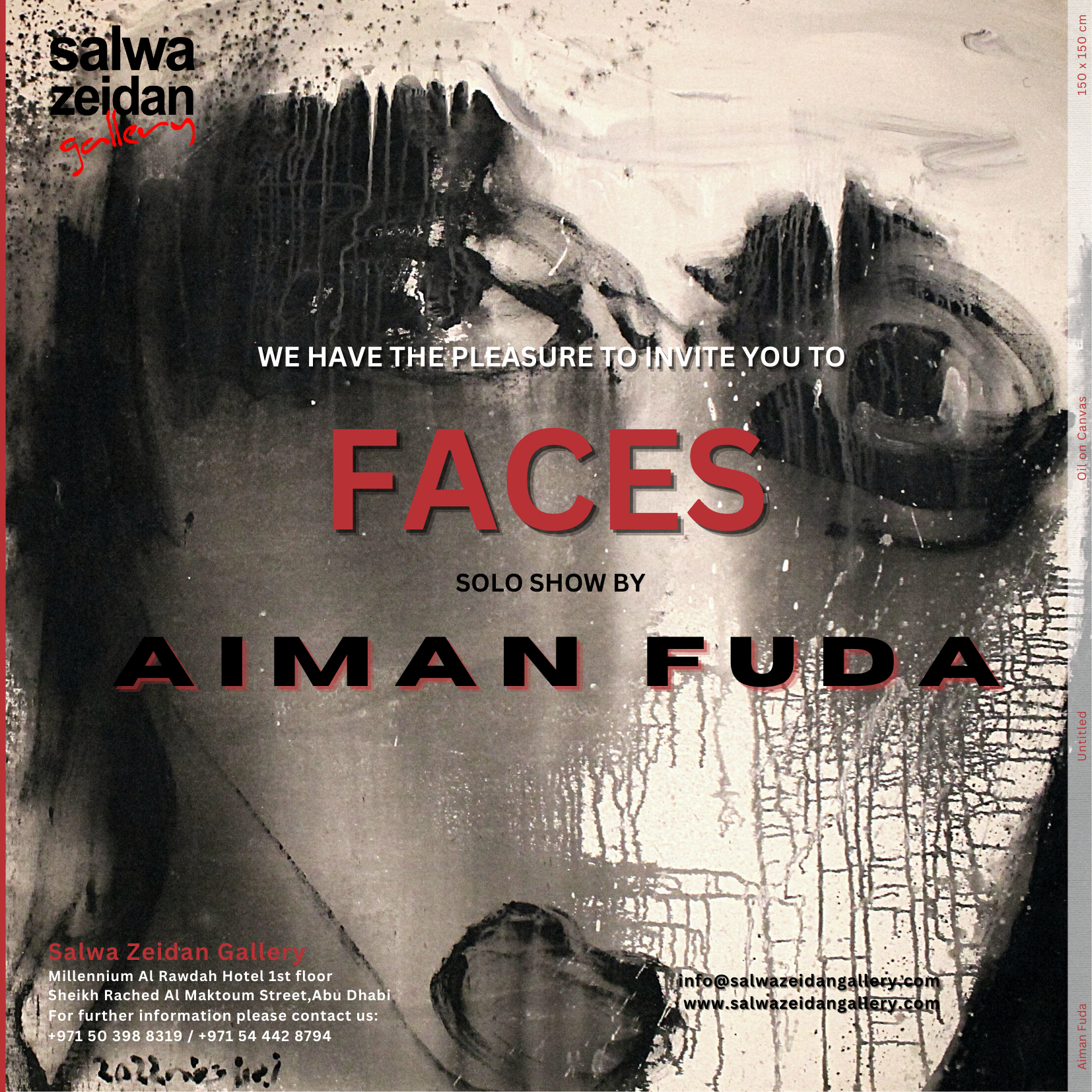
FACES
Copyright © 2024 Salwa Zeidan Gallery


"Lucky shop Product" was added to wishlist